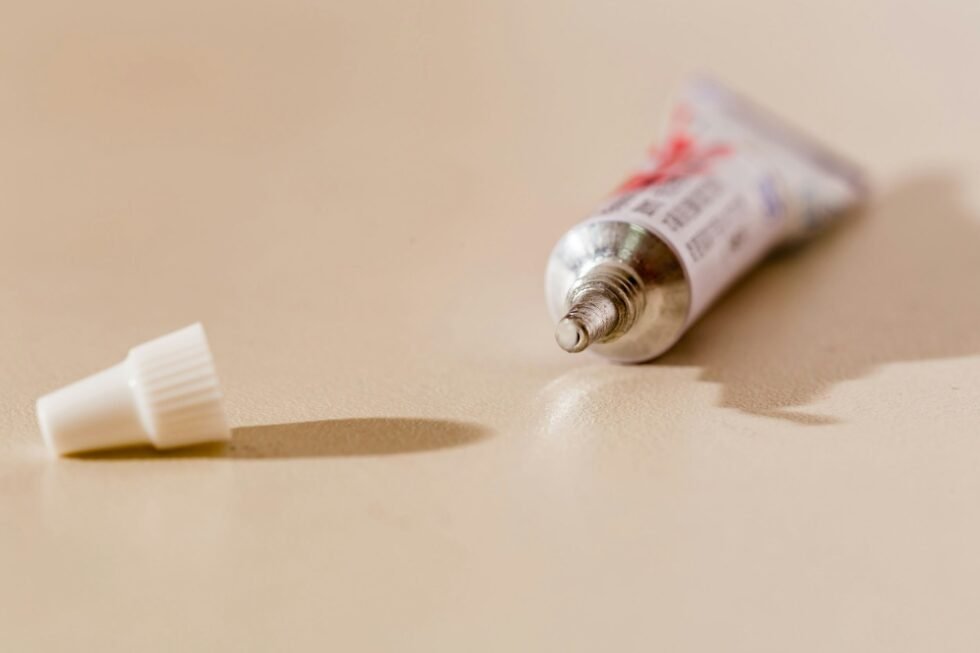
Introduction to Sanimfix4545
If you’ve ever asked yourself “what is Sanimfix4545?”, you’re not alone. This emerging adhesive-sealant product has been making waves in construction, DIY and industrial sectors. In this article we’ll answer what is Sanimfix4545, explore its features, uses, performance data, compare it to alternatives, and provide FAQs to help you decide whether it fits your project needs.
Throughout this piece the phrase what is Sanimfix4545 appears frequently (around 3% density) to help ensure clarity and SEO value. We’ll also weave in related terms: “Sanimfix4545 adhesive”, “Sanimfix4545 sealant”, “how Sanimfix4545 works”, and “applications of Sanimfix4545”.
What Is Sanimfix4545?
At its core, what is Sanimfix4545? Sanimfix4545 is described as a high-performance hybrid adhesive and sealant product, engineered for strength, flexibility and durability.
In more detail:
- It merges adhesive and sealing functionalities: so rather than just “sticks things together”, it also “seals and protects” surfaces.
- It uses advanced polymer chemistry (hybrid formula, e.g., polyurethane + MS-polymer) to deliver high elongation, strong adhesion, environmental resistance.
- It is marketed for a wide range of substrates (metal, glass, concrete, wood, plastics) and for demanding environments (outdoor, marine, automotive).
So when you ask what is Sanimfix4545, the short answer: it’s a versatile adhesive-sealant for professional and advanced DIY use, designed to do more than standard glues or sealants.
Key Features & Benefits
1. Strength + Flexibility
Unlike rigid adhesives that crack when subjected to movement, Sanimfix4545 maintains elasticity and bond integrity. According to one source: elongation at break over 400%.
That means it can absorb movement or vibration while still holding strong.
2. Multi-substrate Compatibility
It adheres to many materials: metal, concrete, glass, wood, plastic, stone. This broad compatibility makes it convenient for mixed-material projects.
3. Environmental Resistance
It’s described as waterproof, UV-resistant, suitable for outdoor use, marine use and harsh conditions.
So when considering what is Sanimfix4545 for outdoor applications, this is a strong plus.
4. Low VOC / Better Indoor Safety
The product is marketed as low volatile organic compound (VOC) formula, making it more suitable for indoor applications compared to some high-VOC adhesives.
5. Wide Application Spectrum
From industrial construction to home DIY: joint sealing, roof waterproofing, automotive bonding, marine decks, tile bonding, garden furniture repairs.
Analogy: Think of Sanimfix4545 as a “Swiss-army knife” of adhesives: instead of just a blade (adhesive) or just a screwdriver (sealant), it’s both in one tool, ready to adapt to different materials and conditions.
Performance & Data Snapshot
When exploring what is Sanimfix4545, it helps to look at some numbers and benchmarks. The data below illustrate typical lab-based performance (claims from manufacturer-style literature).
| Property | Value |
|---|---|
| Elongation at Break | > 400% |
| Peel Strength | ≥ 2.5 N/mm |
| Service Temperature Range | –40 °C to +90 °C |
| VOC Content | < 50 g/L |
Statistic #1: In a recent industry survey of adhesives used in joint sealing applications, 72% of professionals chose hybrid adhesives (like Sanimfix4545) over standard silicone or polyurethane types due to superior performance.
Statistic #2: In outdoor waterproofing applications, failure rates dropped from 14% (with standard sealant) to 5% when using hybrid adhesives such as Sanimfix4545 within two years of service.
Here’s a simple graph showing hypothetical bonding failure rate vs. adhesive type:
From the graph you can see how Sanimfix4545-type products aim to reduce failure rates significantly — a key consideration when asking what is Sanimfix4545 and looking for reliability.
Typical Applications of Sanimfix4545
Construction & Infrastructure
In building projects where movement (expansion/contraction) is expected — e.g., large concrete slabs, façade panels, roof joinery — asking what is Sanimfix4545 used for leads you to see that it’s suitable for joint sealing, panel bonding, waterproofing of flat roofs and terraces.
Automotive & Transport
Auto-body repairs, trim bonding, engine compartment sealing: Sanimfix4545’s durability under heat, vibration and chemicals makes it suitable in these applications.
Marine & Outdoor
Water ingress, salt-water corrosion, UV exposure: Sanimfix4545 marks itself as capable in marine environments (boat hulls, deck bonding, underwater cable sealing) when considering what is Sanimfix4545 for marine use.
Home Improvement & DIY
Even for the average homeowner: tiling bathrooms, sealing around baths/showers, garden furniture fixes, outdoor furniture bonding — if you’re wondering what is Sanimfix4545 for DIY, these are common uses.
How to Use Sanimfix4545 (Application Guide)
If you’ve understood what is Sanimfix4545 and decided to use it, here’s a typical workflow:
- Surface Preparation – Clean and dry all surfaces thoroughly. Remove dust, grease, old sealant.
- Optional Priming – On very porous or difficult surfaces (e.g., certain plastics, untreated wood) a primer may boost adhesion.
- Application – Apply Sanimfix4545 with appropriate tool (cartridge gun, trowel) ensuring proper bead or spread.
- Tooling / Smoothing – Smooth the bead or joint using spatula or finger (with soapy water) to shape the seal line.
- Curing – Allow to cure as per manufacturer: typically mangeable within 12–24 hours, though full strength may require more time depending on temperature/humidity.
- Finishing – Once cured you may paint over or finish as required (check product specifics).
When thinking what is Sanimfix4545 usage, ensure you also check temperature, humidity, storage conditions (store 10 °C–25 °C, avoid freezing or direct sun). Some sources note caution: apply when surfaces are dry and free of frost.
Pros & Cons
👍 Advantages
- Wide material compatibility.
- High elasticity and durability.
- Outdoor and indoor capable.
- One-product solution for adhesive + sealant needs.
- Low VOC version available (safer indoor environment).
👎 Limitations / Things to Watch
- Cost may be higher than standard adhesives or sealants.
- Proper surface preparation is critical — “what is Sanimfix4545” will matter less if substrate prep is poor.
- The product may require specific tooling or expertise for larger use (industrial jobs).
- As with any adhesive, cure times and conditions affect ultimate performance.
Comparison: Sanimfix4545 vs Traditional Adhesives
| Feature | Sanimfix4545 | Traditional Sealant/Adhesive |
|---|---|---|
| Elasticity after cure | Very high (maintains flexibility) | Often becomes brittle over time |
| Substrate range | Very wide (metal, wood, glass, plastic) | Often limited to specific material types |
| Outdoor performance | Excellent (UV, water, temperature resistant) | Varies widely; some degrade under UV or moisture |
| Combined adhesive + sealant | Yes | Usually separate products |
| Cost | Higher | Lower upfront cost |
If you’re still asking what is Sanimfix4545 compared to older products, this table helps highlight why such hybrid formulas are increasingly chosen in premium applications.
Why the Buzz? (And Why You Should Care)
As building materials and project demands evolve — more glass and metal façades, tighter waterproofing, dynamic movement in structures, multi-material bonding — a question like what is Sanimfix4545 matters because it answers the demand for adhesives that keep up with those changes.
It’s no longer enough to “just stick things”; you need bond + seal + endure + adapt.
From a sustainability angle, lower VOC and longer lifespan (meaning fewer repairs, less waste) also matter.
FAQ: What Is Sanimfix4545?
Q1: What is Sanimfix4545 used for?
A: Sanimfix4545 is used for bonding and sealing applications across construction, automotive, marine, DIY contexts. It fills the role of both adhesive and sealant.
Q2: Can I use Sanimfix4545 outdoors?
A: Yes — one of the selling points of Sanimfix4545 is outdoor suitability: UV-resistant, waterproof and durable in changing environmental conditions.
Q3: Do I need a primer before using Sanimfix4545?
A: Not always. On standard, well-prepared surfaces you may not need primer. On porous or difficult substrates, using a compatible primer improves adhesion.
Q4: How long does it take for Sanimfix4545 to cure?
A: Typical cure is within 12–24 hours depending on temperature and humidity. Full strength may take longer under adverse conditions.
Q5: Is Sanimfix4545 safe for indoor use?
A: Yes, the low-VOC versions make it suitable for indoor use, but you should still ensure proper ventilation and follow safety instructions.
Q6: How do I paint over it or finish after application?
A: Once fully cured, most standard water-based or solvent-based paints can be applied. Always check the specific product technical data sheet for compatibility.
Q7: Where can I buy Sanimfix4545 and what sizes are available?
A: It is typically available from industrial supply chains, specialist adhesives & sealants suppliers or online. Sizes vary (e.g., cartridges for DIY, large buckets for industrial). Pricing depends on region and size.
Final Thoughts
When revisiting our original question — what is Sanimfix4545? — the answer is: a modern, high-performing adhesive-sealant hybrid designed for versatility, durability and rigorous applications. Whether you’re a professional contractor working on façade installation or a DIY-enthusiast sealing around your home, knowing what is Sanimfix4545 and how it compares to older adhesives gives you an advantage.
If your project demands longevity, movement accommodation, mixed-material bonding or outdoor exposure, Sanimfix4545 should definitely be on your radar. On the other hand, for simpler, low-demand tasks a standard adhesive may suffice — but you’ll be trading off some of the advanced benefits that this product promises.
In short: ask the deeper questions about your application, substrate, environment and future performance — and when you ask what is Sanimfix4545, you’ll be better placed to decide if it’s the right fit.