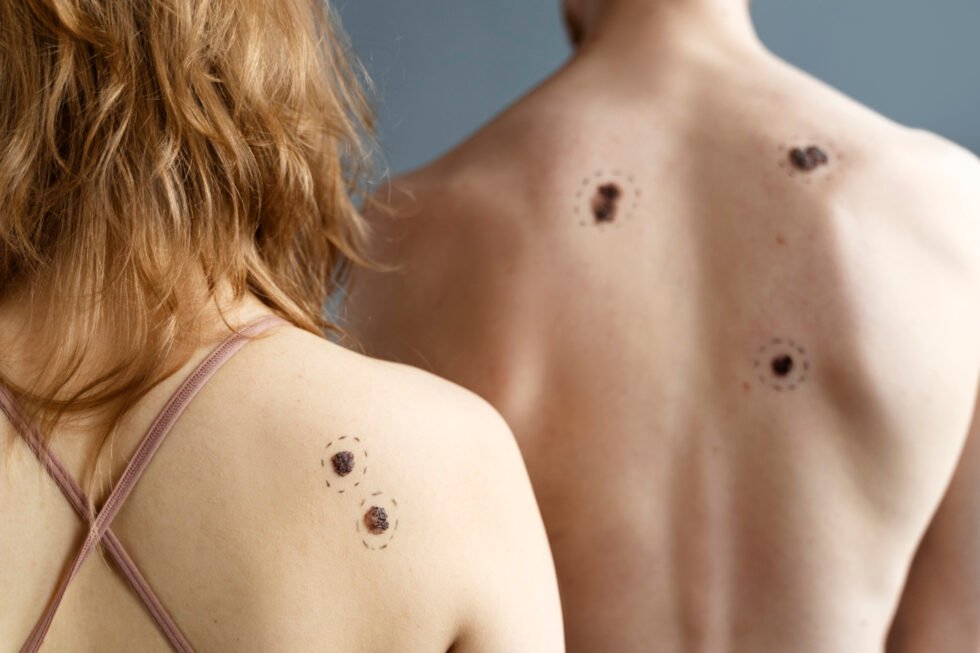
Mole Checker: The Role of AI in Modern Skin Check Technology
In recent years, the mole checker has emerged as a powerful innovation in digital healthcare. With growing concerns about skin cancer and delayed diagnoses, people are increasingly turning to AI-driven tools to perform a quick and reliable skin check from the comfort of their home.
A mole checker uses artificial intelligence to assess skin lesions and moles, helping users identify potential risks early. While it does not replace professional medical advice, it plays a crucial role in improving awareness and encouraging timely action.
What Is a Mole Checker?
A mole checker is a digital tool designed to analyse images of moles or skin spots using artificial intelligence. By uploading a photo, users can receive an instant evaluation based on recognised dermatological patterns.
These tools are built on extensive datasets and trained to recognise visual indicators commonly associated with skin conditions. As a result, a mole checker provides a fast and accessible way to carry out a preliminary skin check.
How Does a Mole Checker Work?
The technology behind a mole checker is based on machine learning and image recognition.
The Process Explained:
- Capture or upload a clear image of the mole
- The mole checker analyses shape, colour, and texture
- AI compares the image against thousands of known cases
- A risk assessment is generated within seconds
Most systems rely on the well-known ABCDE rule used in dermatology.
Graph: The ABCDE Model Used in a Mole Checker
ABCDE = Asymmetry + Border + Colour + Diameter + Evolution
This formula represents the key criteria a mole checker evaluates during a skin check to detect abnormalities.
Why a Mole Checker Matters for Early Detection
Early detection is one of the most important factors in successfully treating serious skin conditions. A mole checker helps bridge the gap between noticing a change and seeking medical advice.
Key Advantages:
- Immediate access to a skin check without waiting for appointments
- Early awareness of suspicious changes
- Encouragement to seek professional care when needed
- Ongoing monitoring of moles over time
Using a mole checker regularly can significantly improve how quickly potential issues are identified.
The Growing Importance of Regular Skin Check
A routine skin check is essential for maintaining skin health, especially for individuals at higher risk.
You should perform regular checks if you:
- Have multiple or unusual moles
- Notice changes in size, colour, or shape
- Have a family history of skin conditions
- Spend significant time exposed to sunlight
A mole checker makes it easier to stay consistent with these checks, even with a busy lifestyle.
Mole Checker vs Traditional Skin Check Methods
While traditional dermatology remains the gold standard, a mole checker offers a convenient complement.
Comparison Overview:
- Speed: A mole checker provides instant feedback, while appointments may take days or weeks
- Accessibility: Available anytime, anywhere
- Cost: Often more affordable than in-person consultations
- Expertise: Dermatologists provide definitive diagnoses
The best approach is combining both—using a mole checker for regular monitoring and consulting professionals when necessary.
Limitations of a Mole Checker
Despite its benefits, a mole checker has certain limitations:
- It cannot provide a confirmed medical diagnosis
- Results depend on image quality
- Rare or complex conditions may not be fully recognised
For this reason, any concerning result from a mole checker should always be followed by a professional skin check.
The Future of Mole Checker Technology
AI mole checker tools are evolving rapidly, and their capabilities are expected to expand significantly.
Emerging Trends:
- Real-time mobile scanning
- Integration with health apps
- Enhanced accuracy through deep learning
- Personalised skin monitoring over time
As technology advances, the mole checker will likely become a standard part of everyday skin check routines.
Best Practices When Using a Mole Checker
To get the most accurate results from a mole checker, follow these guidelines:
- Use clear, well-lit images
- Focus on one mole at a time
- Avoid shadows or filters
- Repeat checks regularly
Consistency is key to making your skin check routine effective.
FAQs About Mole Checker
1. What is a mole checker used for?
A mole checker is used to analyse skin moles and identify potential risks during a skin check.
2. Is a mole checker reliable?
A mole checker can provide highly accurate assessments, but it should not replace a dermatologist.
3. How often should I do a skin check?
It is recommended to perform a skin check at least once a month, especially if you have risk factors.
4. Can a mole checker detect serious conditions?
A mole checker can highlight suspicious features, but only a medical professional can confirm a diagnosis.
5. Who should use a mole checker?
Anyone interested in monitoring their skin health can benefit from using a mole checker regularly.
All in All!
The mole checker represents a significant step forward in accessible healthcare. By enabling quick and easy skin check routines, it empowers individuals to take a proactive approach to their skin health.
While it should always be used alongside professional medical advice, a mole checker provides an invaluable first line of awareness—helping detect potential issues earlier and encouraging timely action.