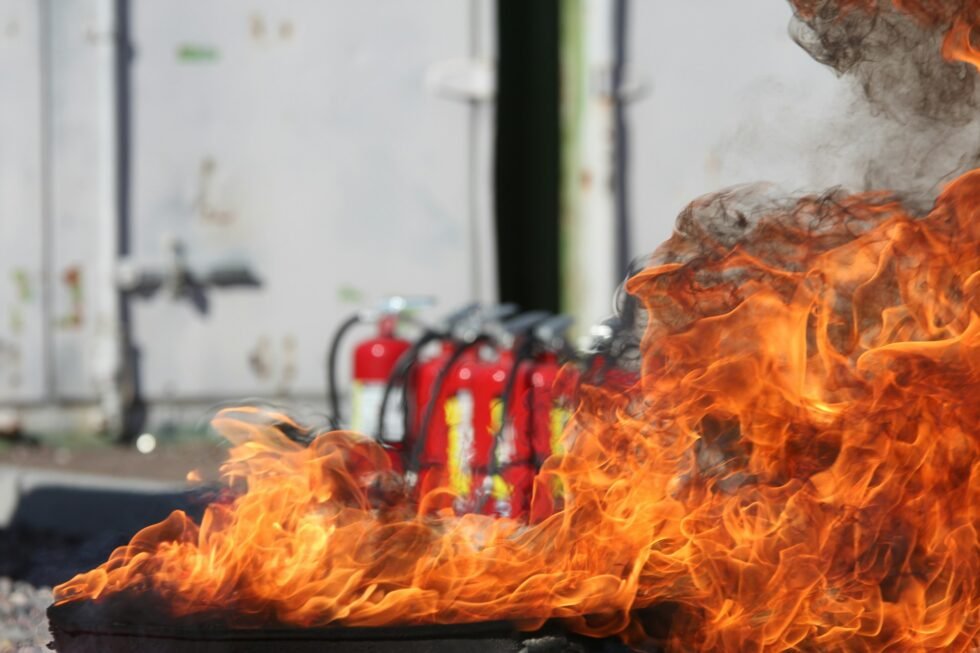
Fire safety is a critical concern in both the home and the workplace. One common question arises: who is responsible for using a fire extinguisher? Understanding the responsibilities and safety protocols surrounding the use of fire extinguishers can prevent serious injuries and property damage. This article examines legal obligations, practical advice, and safety protocols to help you stay prepared in the event of an unexpected occurrence.
Understanding Fire Extinguisher Responsibility
Knowing who is responsible for using a fire extinguisher is essential for safety compliance. Responsibility often depends on the setting:
- Workplace: Employers are generally responsible for providing training and ensuring employees know how to use fire extinguishers safely.
- Home: Homeowners or residents are responsible for handling fire safety equipment responsibly and understanding how to operate extinguishers.
- Public Spaces: Managers or staff designated as safety officers typically hold responsibility for operating fire extinguishers in the event of an emergency.
Statistic: According to the UK Fire Safety Regulations, over 60% of workplace fires are exacerbated due to the improper use or inaccessibility of fire extinguishers.
Legal Responsibilities and Guidelines
In the UK, fire safety legislation outlines clear roles:
- The Regulatory Reform (Fire Safety) Order 2005 requires employers to conduct risk assessments and provide adequate training.
- Employees trained to use fire extinguishers must do so only if it is safe and they are confident in their ability to do so.
- Non-compliance with fire safety rules can result in fines or legal action.
Analogy: Think of using a fire extinguisher like driving a car: you must know how to operate it correctly, understand the conditions for safe use, and follow rules to prevent accidents.
Types of Fire Extinguishers and Their Uses
Understanding the type of fire extinguisher you might use is crucial for safety:
- Water Extinguishers: For ordinary combustibles, such as wood and paper.
- Foam Extinguishers: Effective on flammable liquids such as petrol.
- CO2 Extinguishers: Suitable for electrical fires.
- Dry Powder Extinguishers: Versatile and can handle multiple fire types.
Long-tail keyword usage: Knowing who is responsible for using a fire extinguisher includes understanding which extinguisher to select for a particular fire scenario.
Fire Extinguisher Safety Tips
To enhance safety, remember the following tips:
- Check the Pressure: Ensure the gauge is in the green zone.
- Read Instructions: Familiarise yourself with the extinguisher before an emergency.
- Stay Calm: Panic can cause mishandling.
- Use PASS Technique: Pull, Aim, Squeeze, Sweep.
- Evacuate if Unsafe: Never risk your life for a fire.
Statistic: Research shows that 80% of workplace fire accidents occur when untrained individuals attempt to operate fire extinguishers.
Training and Preparedness
Regular training is essential for understanding who is responsible for using a fire extinguisher. Employers should:
- Conduct fire drills.
- Offer hands-on extinguisher training.
- Identify responsible personnel.
Homeowners should:
- Familiarise all family members with the use of fire extinguishers.
- Ensure extinguishers are easily accessible and maintained.
Visual Aid – Fire Extinguisher Responsibility Graph
Graph Concept: A bar graph showing “Fire Safety Preparedness by Training Level” with categories:
- Fully Trained Staff
- Partially Trained Staff
- Untrained Individuals
Y-axis: % likelihood of safely using a fire extinguisher
X-axis: Training Level
Graph would demonstrate that fully trained staff are 90% likely to use extinguishers correctly, partially trained 50%, and untrained only 10%.
Frequently Asked Questions (FAQ)
Q1: Who is legally responsible for using a fire extinguisher at work?
A1: Employers must ensure that staff are trained and designated personnel know how to safely operate extinguishers.
Q2: Can anyone use a fire extinguisher at home?
A2: While technically anyone can use it, only those familiar with the operation and safety precautions should attempt to do so.
Q3: What should I do if I’m unsure about using a fire extinguisher?
A3: Evacuate immediately and call emergency services; safety always comes first.
Q4: How often should fire extinguisher training occur?
A4: Ideally, training should occur annually, with refresher courses and drills throughout the year.
Q5: Are there penalties for failing to designate responsibility for fire extinguishers?
A5: Yes, non-compliance with fire safety regulations can result in fines, legal action, and increased risk of injury or property damage.
Conclusion
Knowing who is responsible for using a fire extinguisher is vital for both legal compliance and personal safety. Whether at home, work, or in public spaces, clear responsibilities, proper training, and regular maintenance can save lives and reduce damage. By following the guidelines, understanding the types of extinguishers, and staying prepared, you can ensure that fire safety is managed effectively.
Call to Action: Ensure your workplace or home fire safety plan is up to date, and schedule fire extinguisher training today to clarify who is responsible for using a fire extinguisher in every scenario.