Introduction: Why Do I Feel Worse After Osteopathy?
If you’ve ever asked yourself, “Why do I feel worse after osteopathy?” you’re not alone. Many people experience temporary discomfort or soreness following their first few osteopathic treatments. While this can feel concerning, it’s actually a natural part of the body’s healing response.
Osteopathy works by restoring alignment, improving circulation, and rebalancing the musculoskeletal system — but in doing so, it can trigger short-term inflammation, stiffness, or fatigue as the body adjusts. Understanding this process helps you stay confident and informed on your path to recovery.
What Happens During Osteopathy Treatment?
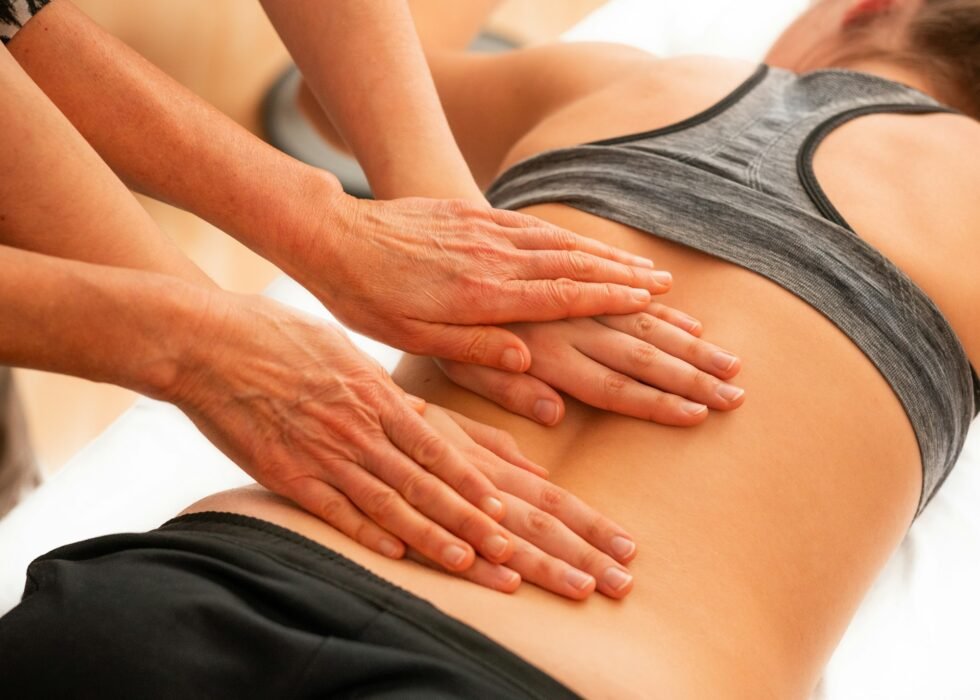
Osteopathy is a hands-on therapy that focuses on the body’s structure — muscles, joints, and tissues — to improve mobility and relieve pain. During treatment, an osteopath may use techniques like stretching, soft-tissue manipulation, and joint mobilisation to restore natural movement.
These techniques help remove blockages and improve blood flow, but they can also wake up previously inactive areas or release toxins and lactic acid that have built up in tight muscles. This is often why patients ask, “why do I feel worse after osteopathy?”
Why Do I Feel Worse After Osteopathy? (The Real Reasons)
It might seem counterintuitive that treatment designed to heal can make you feel temporarily worse. However, there are several physiological and mechanical reasons behind this reaction.
1. Post-Treatment Inflammatory Response
Osteopathic manipulation can stimulate an inflammatory response similar to what happens after intense exercise. This mild inflammation encourages tissue repair but may cause soreness or stiffness for 24–72 hours afterward.
Stat #1: Around 65% of patients report mild discomfort or tiredness after osteopathic treatment, according to the General Osteopathic Council (UK).
2. The Healing Crisis (Body Adjustment Period)
When your body’s alignment changes, muscles and joints must readjust to their new positions. This process — often called a healing crisis — can lead to temporary symptoms like headaches, fatigue, or aching as the nervous system recalibrates.
3. Emotional Release
Sometimes, physical tension carries emotional stress. As an osteopath releases restrictions, these emotions can surface — leaving patients feeling unexpectedly tired or emotional post-treatment.
4. Circulatory and Lymphatic Changes
Improved circulation after osteopathy helps remove waste products and toxins from tissues. However, as the lymphatic system works harder to flush these out, it can leave you feeling sluggish or mildly unwell for a short time.
Analogy: Think of your body like a river that’s been blocked by debris. When an osteopath removes those obstructions, the water (your circulation) suddenly rushes through, stirring up sediment before it eventually clears and flows smoothly again.
Common Symptoms After Osteopathy
After your session, it’s normal to experience:
- Muscle soreness or stiffness
- Mild headache
- Fatigue or sleepiness
- Temporary increase in pain in the treated area
- Emotional sensitivity
These symptoms typically fade within 48–72 hours. Drinking plenty of water, resting, and gentle movement can help speed recovery.
When to Be Concerned
While mild soreness is normal, there are instances where you should consult your osteopath or GP:
- Pain lasts longer than 3–4 days
- You experience severe swelling or sharp pain
- Numbness, tingling, or radiating pain develops
- You feel progressively worse after multiple sessions
These could indicate an underlying issue or a need to adjust your treatment plan.
How to Support Your Body After Osteopathy
To help your body adjust and reduce discomfort, try the following:
1. Stay Hydrated
Water helps flush toxins and supports the lymphatic system.
2. Gentle Movement
Light walking or stretching maintains blood flow without overstraining your body.
3. Rest and Sleep
Healing requires energy, and proper rest ensures your body can repair tissues efficiently.
4. Warm Compresses
Apply gentle heat to sore areas to soothe muscles and improve circulation.
5. Follow Up with Your Osteopath
Discuss your symptoms in your next appointment. They may modify techniques or frequency based on your body’s response.
How Long Does Feeling Worse After Osteopathy Last?
Most people notice mild soreness for 24–48 hours, though some may feel off for up to three days. If you’re asking “why do I feel worse after osteopathy for a week?”, it’s usually due to either deeper structural imbalances being corrected or muscles adapting to new alignments.
However, persistent pain beyond a few days should always be checked by your practitioner.
Graph: Typical Recovery Timeline After Osteopathy
Below is a simple visual representation of how discomfort levels usually change after osteopathy:
| Day After Treatment | Level of Discomfort (0–10) |
|----------------------|-----------------------------|
| Day 1                | 7                           |
| Day 2                | 5                           |
| Day 3                | 3                           |
| Day 4                | 1                           |
| Day 5                | 0 (Body Feels Better)       |
This shows how post-treatment soreness generally peaks within the first 24 hours and gradually improves as the body stabilises.
The Science Behind “Why Do I Feel Worse After Osteopathy”
Recent studies in musculoskeletal medicine confirm that manual therapies like osteopathy activate the body’s self-healing mechanisms through nervous system regulation and increased local blood flow.
Stat #2: Research published in the British Medical Journal found that over 70% of patients experienced temporary soreness after manual therapy but reported significant long-term improvement within two weeks.
Essentially, feeling worse before feeling better isn’t a sign of harm — it’s a signal your body is rebalancing.
Long-Tail Keywords and Related Phrases
For search visibility and readability, this article naturally integrates related terms such as:
- “why do I feel sore after osteopathy”
- “osteopathy side effects”
- “post-osteopathy pain relief”
- “how long does osteopathy soreness last”
- “feeling worse after osteopathic adjustment”
These help readers discover this topic while maintaining the main keyword’s focus: why do I feel worse after osteopathy.
FAQs About Why You Feel Worse After Osteopathy
Q1: Is it normal to feel worse after osteopathy?
Yes. It’s very common to feel sore or fatigued after treatment. Your body is adjusting to new alignments and improved circulation, which can cause short-term inflammation and discomfort.
Q2: How long will I feel worse after osteopathy?
Most people recover within 2–3 days. If discomfort lasts longer than a week, speak to your osteopath for personalised advice.
Q3: Can osteopathy make my pain worse permanently?
No. Osteopathy should not cause lasting pain. If symptoms persist, it may indicate your body is resistant to change or another condition needs addressing.
Q4: What should I do after osteopathy to feel better?
Drink water, rest, and do light stretching. Avoid heavy exercise or alcohol immediately after your session.
Q5: Why do I feel emotional after osteopathy?
Osteopathic treatment can release stored tension in the body, which sometimes brings up emotional responses. This is a normal part of holistic healing.
Conclusion: Why Feeling Worse After Osteopathy Is Often a Sign of Progress
If you’ve been wondering, “why do I feel worse after osteopathy?”, remember: temporary discomfort is often a sign your body is recalibrating. Like restarting a computer to clear errors, osteopathy resets your musculoskeletal system — and the short-term side effects are part of that process.
By giving your body time to adapt, you’ll likely experience improved mobility, reduced pain, and a greater sense of balance in the weeks ahead. Always communicate openly with your osteopath about your symptoms so they can tailor treatment to your individual needs.